
Every year, as winter begins to loosen its grip, something quietly remarkable happens in the sugarbush. Sap starts flowing through maple trees, and a short but intense harvest window opens. If you have ever enjoyed real maple syrup in Wisconsin and wondered how it all comes together, the answer starts with timing. So when is maple syrup season, and how long does it actually last? The short version is that it is brief, weather dependent, and over before most people realize it began.
At Maple Hollow in Merrill, Wisconsin, we have spent generations watching the weather, reading the trees, and waiting for the right conditions. Understanding the season helps you appreciate why pure maple syrup is a seasonal treasure rather than something made year round. Let's walk through the timing, the science, and what makes each harvest unique.
When Is Maple Syrup Season?
The question of when is maple syrup season does not have a single calendar date attached to it, because nature sets the schedule. In Wisconsin, the season typically runs from late February through early April. Some years it starts a little sooner, and some years a stubborn cold snap pushes everything back by a week or two. The exact timing shifts from one year to the next depending entirely on the weather.
What really triggers the sap flow is a specific temperature pattern. Trees need freezing nights followed by thawing days to build the pressure that pushes sap up and out of a tapped tree. When nighttime lows dip below freezing and daytime highs climb into the 40s, conditions are close to perfect. That freeze and thaw cycle is the engine that drives the entire harvest.
How Long Does the Season Last?
Most maple syrup seasons last somewhere between four and six weeks. That may sound like a reasonable stretch of time, but in practice the window of truly excellent sap flow can be much shorter. A season can be cut short by an early warm spell, because once the trees begin to bud, the chemistry of the sap changes and the syrup takes on an off flavor that producers call "buddy." At that point, the harvest is finished whether the calendar agrees or not.
This is why the season feels like a sprint. When conditions are right, producers work long days collecting and boiling sap before the window closes. A single warm, sunny stretch can mean an enormous amount of sap in a short time, and then just as quickly the flow can slow to a trickle. The unpredictability is part of what makes each year's crop distinct.
Why the Weather Matters So Much
Maple trees store starch in their roots and trunk over the winter. As temperatures begin to swing, that starch converts to sugar, which dissolves into the sap. The freeze and thaw cycle creates the pressure changes that allow that sweet sap to flow when a tree is tapped. Without those alternating cold nights and mild days, the sap simply stays put.
Because everything depends on temperature, no two seasons look exactly alike. A long, gradual thaw can produce a wonderful extended harvest. A sudden jump into warm weather can compress the whole season into just a couple of productive weeks. Across Wisconsin and the surrounding areas, producers keep a close eye on forecasts, knowing that the difference between a good year and a great year often comes down to how cooperative the weather decides to be.
It is also worth noting that sap is overwhelmingly water. It takes roughly 40 gallons of sap to make a single gallon of finished syrup, depending on the sap's sugar content. All of that excess water has to be removed, which is why the work is so intensive during the short window when sap is actually running.
How Syrup Goes From Tree to Table
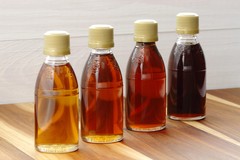
Once sap is collected, the clock starts ticking. Fresh sap is perishable, so it needs to be boiled down quickly to concentrate its natural sugars into syrup. The boiling process removes the excess water and develops the rich color and flavor that pure maple syrup is known for. Early season syrup tends to be lighter and more delicate, while syrup made later in the season often carries a deeper, more robust taste.
The journey from a tapped tree to a sealed bottle is a labor of patience, and it all happens within that tight seasonal window. By the time you pour it, the syrup you enjoy represents weeks of careful timing and attention.
Maple is not the only tree capable of producing syrup, either. If the broader world of tapping interests you, our article on trees that can be tapped for syrup explores some surprising options beyond the sugar maple.
What This Means for You as a Buyer
Understanding when is maple syrup season helps explain a few things about buying real maple syrup. Because the harvest happens once a year over a short period, producers make a full year's supply in just a few weeks. The syrup you buy in July or November was gathered and boiled during that spring window. Pure maple syrup stores well, so a properly sealed, unopened bottle keeps its quality long after the season ends.
It also explains why real maple syrup is valued the way it is. The narrow harvest window, the labor involved, and the sheer volume of sap required all contribute to a product that simply cannot be rushed. When you choose syrup from dedicated maple syrup producers in Wisconsin, you are getting something that reflects a specific place and a specific moment in the year.
Here is a quick snapshot of what shapes a typical season:
- Timing usually falls between late February and early April in Wisconsin.
- Freezing nights and thawing days drive the sap flow.
- The productive window often lasts just four to six weeks.
- Warm weather and budding trees bring the season to a close.
Making the Most of Maple Year Round
Even though the harvest is brief, enjoying maple syrup is a year round pleasure. Pure maple syrup is wonderful on breakfast classics, but it also shines in cooking. If you want to branch out, our collection of savory maple syrup recipes offers ideas that go well beyond pancakes and waffles. A little maple can transform roasted vegetables, glazes, and marinades.
So the next time someone asks you when is maple syrup season, you will know that it is a fleeting late winter and early spring event, powered by the freeze and thaw rhythm of the weather and rarely lasting more than a handful of weeks. That short window is precisely what makes real maple syrup special, and it is why producers across Wisconsin and neighboring communities pour so much effort into those few precious weeks.
If you have questions about our syrup or want to stock up before the next harvest, we would love to hear from you. Feel free to contact us at Maple Hollow with your questions or orders, and we will be glad to help you bring a taste of the Wisconsin sugarbush to your table.