When most people think about homemade syrup, the sugar maple comes to mind first, and for good reason. Yet the tradition of tapping trees for their sweet sap is far older and far wider than many realize. If you have ever wondered whether maple syrup in Wisconsin is the only option worth exploring, you might be surprised by the variety of trees that can yield their own distinct flavors.
The question of what trees can be tapped for syrup besides maple is one we hear often, especially from curious food lovers who want to understand the craft behind what ends up on their breakfast table. The short answer is that several species produce tappable sap, each with its own character, sugar content, and harvesting quirks. In this guide, we will walk through the most notable alternatives and explain why maple still holds its celebrated place.
The Basics of Tapping Any Tree
Before diving into specific species, it helps to understand why certain trees can be tapped at all. In late winter and early spring, trees draw water and stored sugars up from their roots to fuel new growth. Drilling a small hole and inserting a spout allows a portion of that sap to flow out, where it can be collected and boiled down. The magic happens in the reduction, since raw sap is mostly water with only a small percentage of natural sugar.
What makes a tree a good candidate comes down to a few factors: the sugar concentration of its sap, the volume it produces, and whether the resulting syrup tastes pleasant. Maple leads the pack because its sap carries a relatively high sugar content and a flavor that nearly everyone enjoys. Still, it is far from the only tree that rewards a patient tapper, and understanding the alternatives deepens your appreciation for the whole process.
Birch: The Northern Favorite
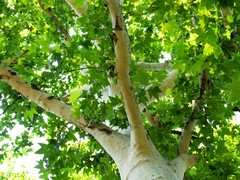
Among the answers to what trees can be tapped for syrup besides maple, birch stands out as the most popular alternative, particularly in colder climates. Birch trees produce sap later in the season than maples, usually once the maple flow has slowed, which makes them a natural extension of the sugaring window. The syrup they yield is darker and carries a bold, almost mineral-like tang with notes that some describe as caramelized or molasses-adjacent.
There is a catch, though. Birch sap contains far less sugar than maple sap, which means it takes a great deal more raw sap to produce a single bottle of finished syrup. The ratio can be more than twice what maple requires, so birch syrup tends to be rarer and more labor intensive. For adventurous cooks, its distinctive taste works beautifully in glazes and savory dishes rather than as a simple pancake topping.
Walnut and Butternut: Nutty and Rich
Black walnut and its close relative the butternut tree can also be tapped, and the syrup they produce surprises many first-time tasters. The sugar content is comparable to maple in some cases, which makes the boiling process more manageable than birch. The flavor leans into a subtle nuttiness layered over sweetness, a profile that pairs especially well with baked goods and roasted vegetables.
Walnut syrup remains something of a niche delicacy, partly because walnut trees are less abundant than maples in many sugaring regions and partly because the harvesting tradition is simply newer. For those exploring what trees can be tapped for syrup besides maple as a hobby, walnut offers a rewarding middle ground between the familiar sweetness of maple and the bold edge of birch.
Sycamore, Boxelder, and Other Surprises
The list of tappable trees extends further than many expect. Sycamore sap, for instance, produces a syrup with a flavor some compare to butterscotch or honey, though the sugar content is low and the yield modest. Boxelder, which is actually a member of the maple family, can be tapped much like its sugar maple cousins and delivers a lighter, sweet syrup that often goes overlooked.
Other possibilities include ironwood, gorosoe, and certain species of linden or basswood. Each comes with its own trade-offs in flavor and productivity, and few are commercially practical at scale. They remain fascinating curiosities for home tappers and food historians who want to understand the full breadth of what nature offers. If you want a closer look at how sap transforms into finished syrup regardless of the tree, our walk in the woods page captures the heart of the process.
Why Maple Still Reigns Supreme
With so many answers to what trees can be tapped for syrup besides maple, you might wonder why maple continues to dominate kitchens across the country. The reasons are both practical and sensory. Sugar maples offer one of the highest natural sugar concentrations of any tappable tree, which translates to a more efficient boil and a greater yield per gallon of sap. That efficiency has made maple the backbone of a sugaring industry stretching back centuries.
Flavor seals the deal. Maple syrup carries a balance of sweetness and depth that appeals to nearly every palate, whether drizzled over waffles, stirred into coffee, or worked into a glaze. Its versatility shines in everything from breakfast to dinner, as our collection of savory maple syrup recipes demonstrates. The reliability of the harvest, the consistency of the product, and the beloved taste together explain why maple remains the gold standard even as adventurous tappers experiment with other species.
Here in Merrill and throughout Wisconsin and the surrounding areas, the sugar maple thrives in exactly the conditions it needs: cold nights, warming days, and healthy northern forests. That natural advantage is a big part of why the region has become so closely associated with quality syrup production.
Bringing It All Together
Exploring what trees can be tapped for syrup besides maple reveals a rich world of flavors, from the molasses tang of birch to the gentle nuttiness of walnut and the butterscotch hint of sycamore. Each tree tells a slightly different story, and together they show just how resourceful people have been in coaxing sweetness from the forest. For the curious cook or the backyard hobbyist, experimenting with these alternatives can be a genuinely rewarding seasonal project.
That said, there is a reason maple has earned its loyal following, and tasting high-quality pure maple syrup in Wisconsin makes the case all on its own. If you are interested in the health side of the equation, our guide on whether maple syrup is healthy offers a clear look at what sets natural syrup apart from processed sweeteners.
Whether you are a seasoned sugaring enthusiast or simply someone who loves a good breakfast, we invite you to explore the craft behind every bottle. Reach out through our contact page if you have questions about our syrup or the tapping tradition, and taste for yourself why maple continues to stand above the rest.